Newsletter-first publishing
beehiiv is shaped around issues, archives, subscriber growth, and publication-style workflows instead of only email campaigns.
COMPARISON
Mailchimp is strong for marketing email. beehiiv is the better fit when the business itself is the newsletter, the audience asset, or the growth engine around it.
If you want to build a content asset, not just send campaigns, the platform choice matters early.

Verdict
Based on beehiiv’s public positioning: newsletter + website + growth + monetization in one platform, with a free Launch plan up to 2,500 subscribers and unlimited sends.
FAST TAKE
Choose Mailchimp when you mainly need email marketing for a business. Choose beehiiv when the newsletter is the business, the audience asset, or the growth engine.
This is the practical difference between the two products.
COMPARISON
| Decision area | beehiiv | Mailchimp |
|---|---|---|
| Free runway | Up to 2,500 subscribers and unlimited sends on Launch | Free plan centers on 250 contacts with sending limits |
| Website + archive | Native newsletter website and post archive | Primarily email marketing, with site needs often handled elsewhere |
| Growth loops | Recommendations, referrals, Boosts | Marketing automations are stronger than native newsletter growth loops |
| Monetization | Ad Network, paid subscriptions, digital products | Great for campaigns; weaker as a newsletter monetization stack |
| Best for | Creators, publishers, media-style operators | Businesses running email marketing programs |
FEATURE SET
These are the product traits that matter most when the newsletter is supposed to become a durable audience asset.
beehiiv is shaped around issues, archives, subscriber growth, and publication-style workflows instead of only email campaigns.
Your newsletter landing page, archive, and signup path can live together instead of being spread across tools.
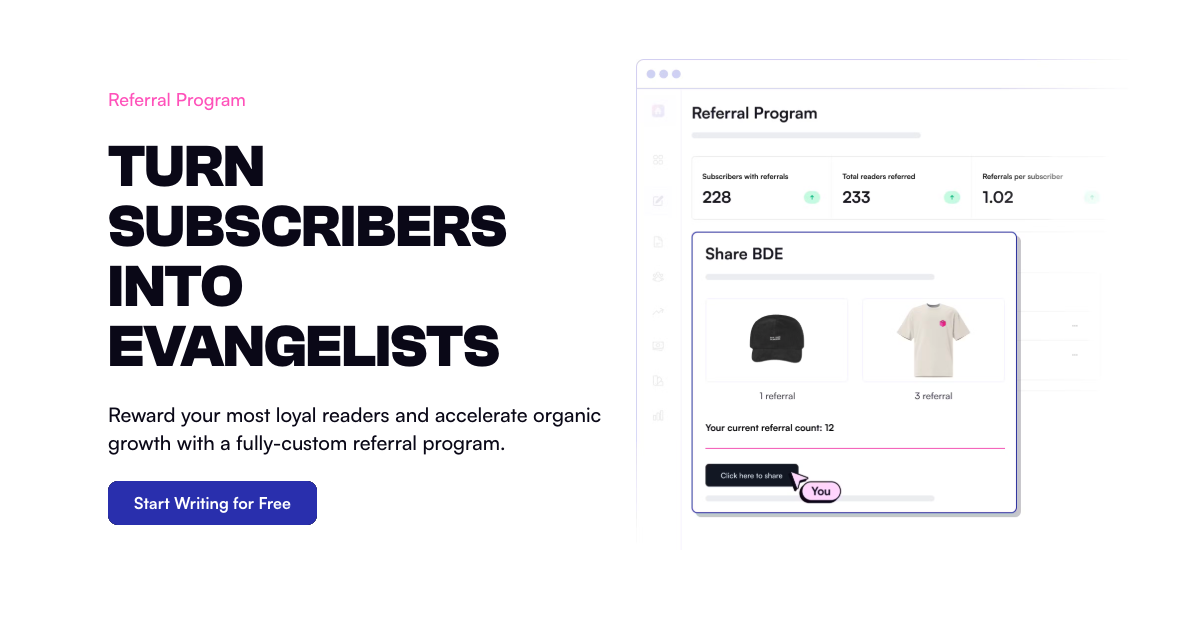
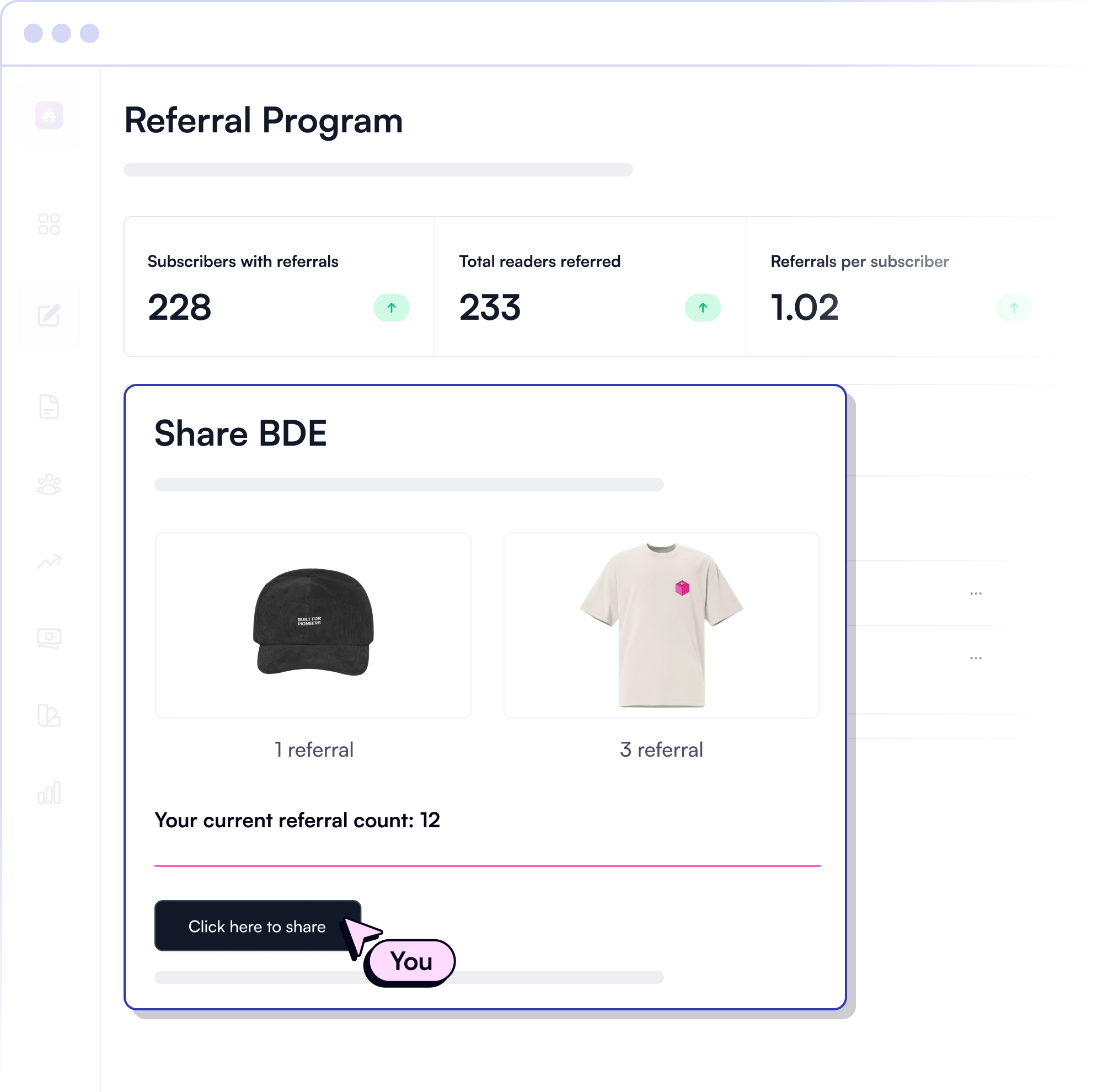
Referral program, recommendation network, and Boosts give creators real ways to compound growth.
beehiiv adds ad inventory, paid subscriptions, and digital-product support for publishers who want direct revenue.
BUSINESS BENEFITS
GETTING STARTED
Start simple, prove the angle, then add growth loops after the audience starts responding.
Define one niche, one promise, and one newsletter reason-to-subscribe.
Set up the landing page, signup flow, archive, and first issue inside one platform.
Publish comparison and educational pages that rank or travel through communities.
Add revenue levers after attention turns into consistent subscriber behavior.
PRODUCT SNAPSHOTS
Use screenshots and familiar UI proof to make the offer feel concrete, not abstract.
CTA
 Try beehiiv for free
REFERENCES
RELATED PAGES
FAQ
No. It is just optimized for a different job: marketing email for a business rather than building a media-style newsletter asset.
Because it brings website, newsletter, growth, and monetization under one roof, which is a much better fit for creator-led publishing.
Yes, but it is easier to choose the right structure early if you already know the newsletter will be a core growth channel.